
Bigger is greener: industry leaders say scale is shrinking insect protein’s carbon footprint
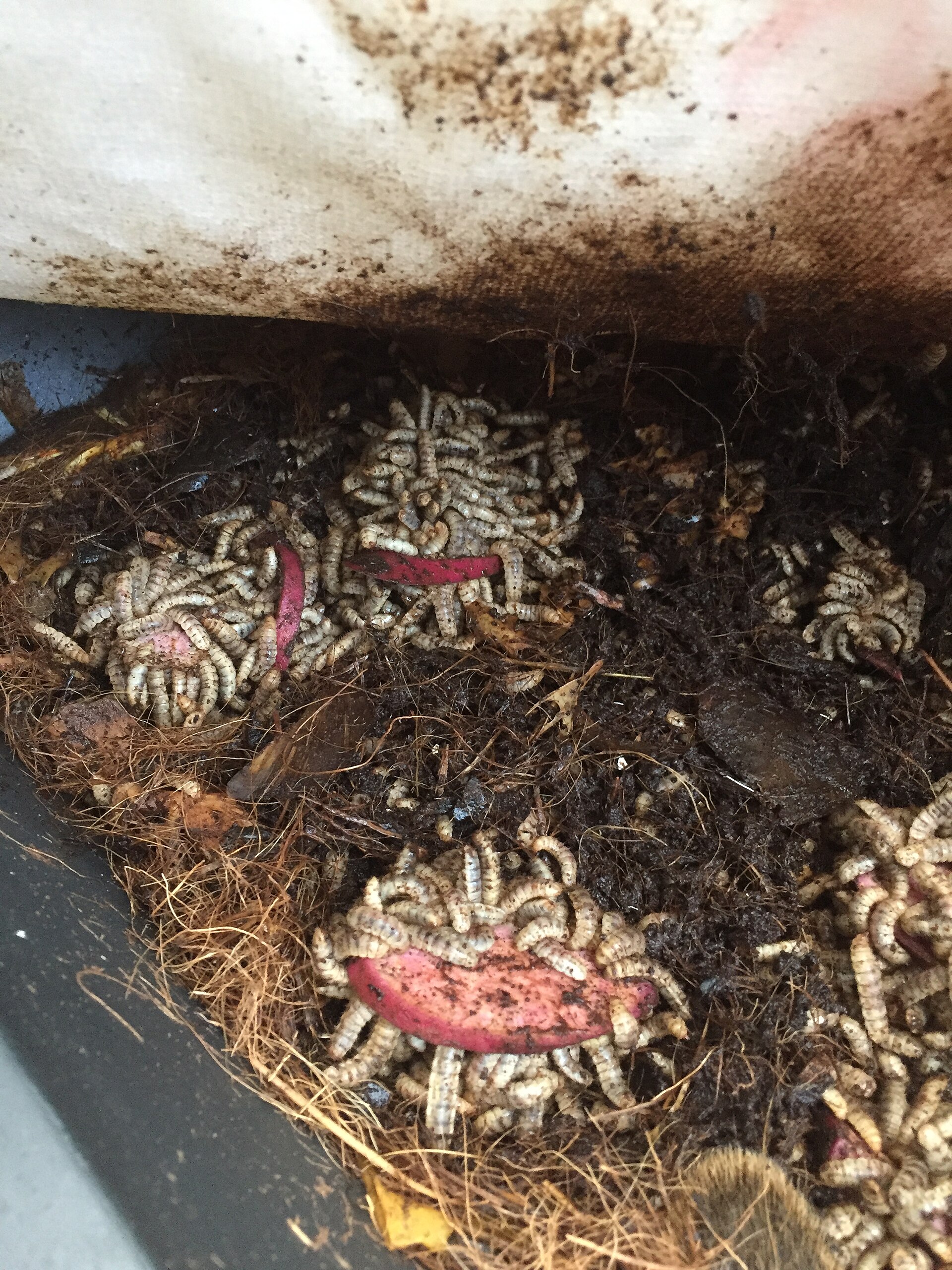
Two of the world’s largest black soldier fly (BSF) producers, France’s Innovafeed and the Netherlands’ Protix, have published a joint perspective arguing that bigger insect farms are better for the climate, not worse.
Key facts
- Wide range: Published studies put BSF protein anywhere from about 0.5 to 77 kg of CO₂e per kg of protein, depending on feedstock, energy and accounting method
- Falling fast: Innovafeed says its protein’s carbon intensity fell fivefold between 2022 and 2025, to 1.2 kg CO₂e per kg, with a target of about 0.6 by 2030
- Industrial symbiosis: Co-locating with a starch plant, using its waste heat and wet by-products, cut the footprint of insect meal by about 80% in earlier research
- Comparison: The authors say many conventional proteins, including fishmeal and soy protein concentrate, have higher footprints than industrial insect meal
Why scale changes the maths
Early life-cycle studies of insect farming often looked at small pilot plants that used energy-hungry heating and drying. The paper, titled “When Scale Lowers Carbon: A Perspective on Industrial-Scale Insect Protein” and reported in September 2026, argues that large plants built next to food factories can share heat, power and by-products, sharply cutting emissions per kilogram.
The authors also point to bioactive compounds in BSF that may support gut health and immunity in fish and poultry, which could improve survival and feed efficiency.
The small-scale lesson
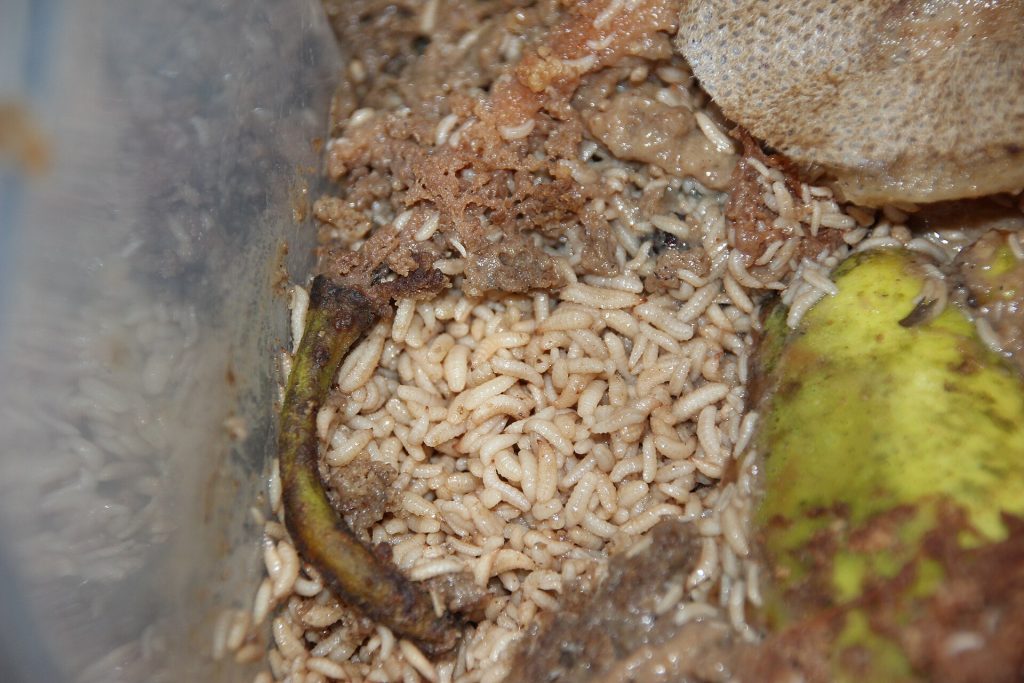
The same logic applies to village and town units: the greenest larvae are grown on waste that would otherwise rot, in a warm climate that needs no heating. That is the model PNG Beyond50 Foundation is pursuing.
What it means for PNG
PNG has year-round warmth and plenty of organic waste from markets, kitchens and agro-processing such as coffee. Siting BSF units next to these waste streams, as the Edai Town facility will, captures the same advantages the big European producers describe, at community scale.