
How It Works
A harmless fly that turns waste into food.
The black soldier fly (Hermetia illucens) lives throughout the tropics, including the Pacific. Its larvae are some of nature's best recyclers: they eat almost any food waste and turn it into protein-rich feed and natural fertiliser, in about two weeks.
- 0from waste to harvest
- 0less waste by weight
- 0protein in dried larvae
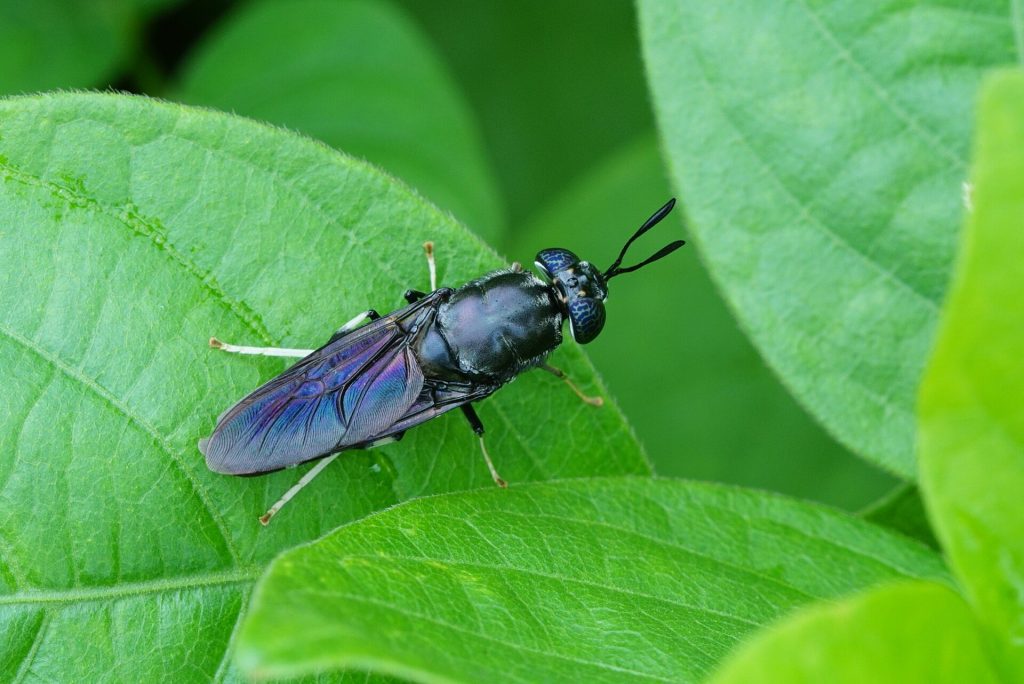 Does not bite or sting
Not a pest or disease carrier
Loves PNG's warm climate

From food waste to feed and fertiliser in five steps.
Press play, or tap any step to see what happens inside a black soldier fly unit.
Food waste from markets, kitchens and farms
Fruit and vegetable scraps, kaukau peel, spoiled greens, coffee pulp and brewery grain are collected before they rot in drains or dumps.
Sort, chop and mix to a porridge
Plastic, glass and metal are removed. Scraps are chopped and mixed to a damp porridge so even the smallest larvae can feed.
Larvae eat for about two weeks
Young larvae go into shallow trays. In 12–14 days they eat most of the waste and grow fat with protein and fat. The tray stays warm, 27–32 °C.
Separate larvae from frass
A shaking sieve separates plump larvae from the dry, crumbly residue (frass). Mature prepupae also crawl up ramps into buckets by themselves.
Feed, fertiliser and the next generation
Larvae become protein feed for chickens, fish and pigs. Frass goes on gardens as organic fertiliser. Some larvae are kept to breed the next batch of flies.
About 40 days from egg to egg.
Tap each stage. Farmers work mainly with the larva stage, and keep a small colony of flies to breed more.
illucens
1. Egg
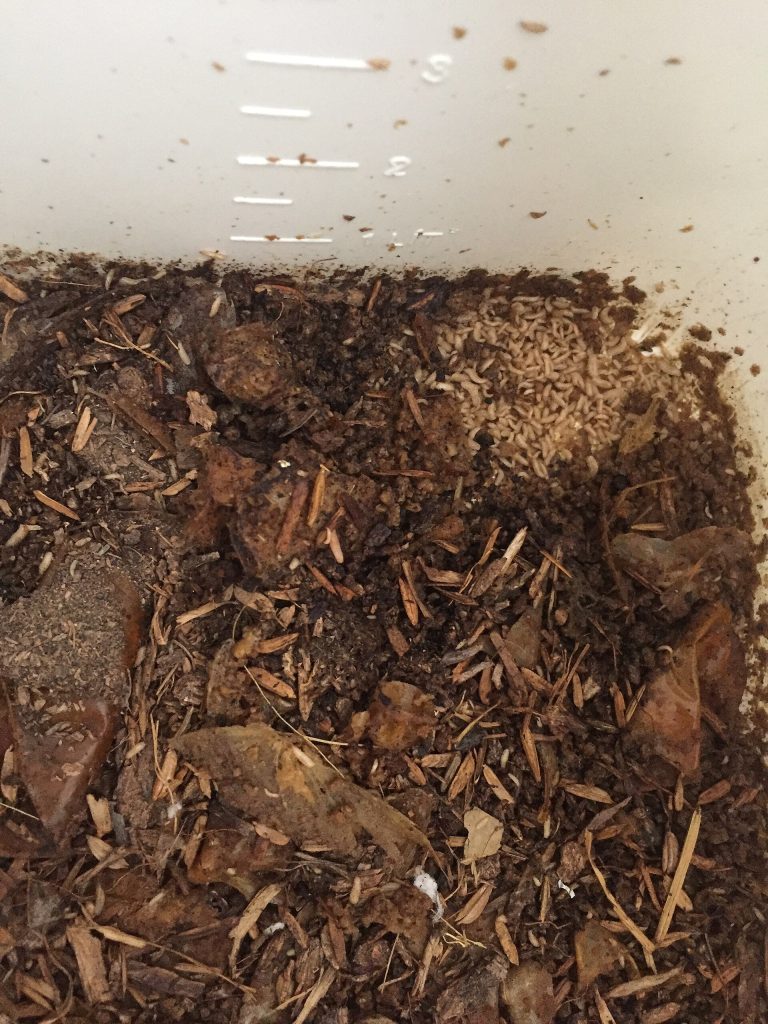
A female lays 400–800 tiny eggs in a dry crack just above rotting food. They hatch in about four days.
2. Larva
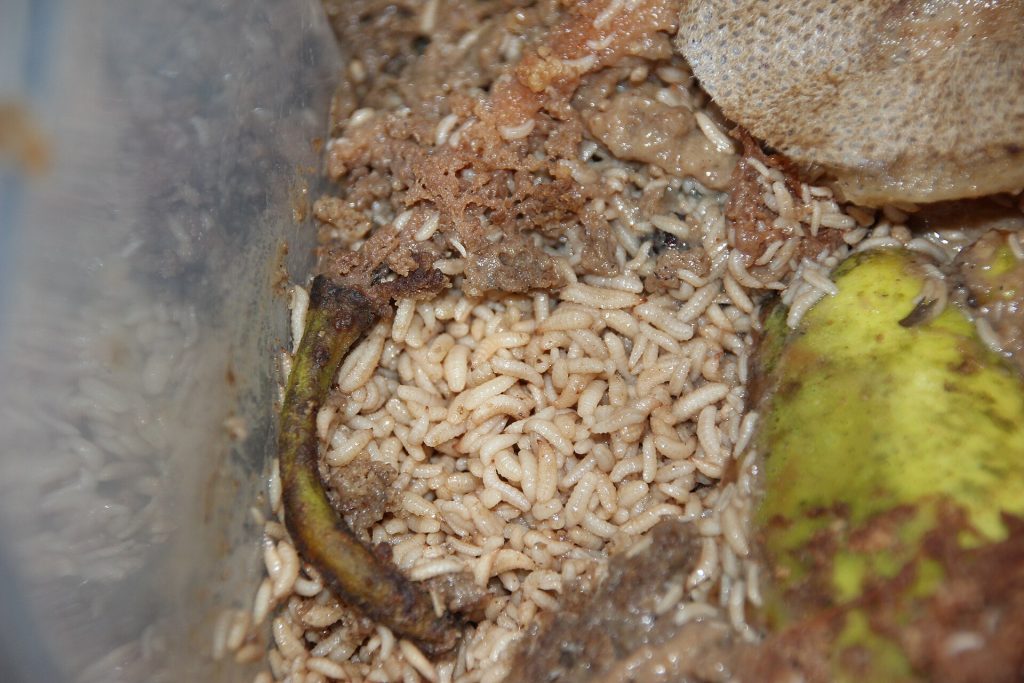
The working stage. Larvae eat day and night, growing thousands of times heavier while shrinking the waste beneath them.

3. Prepupa
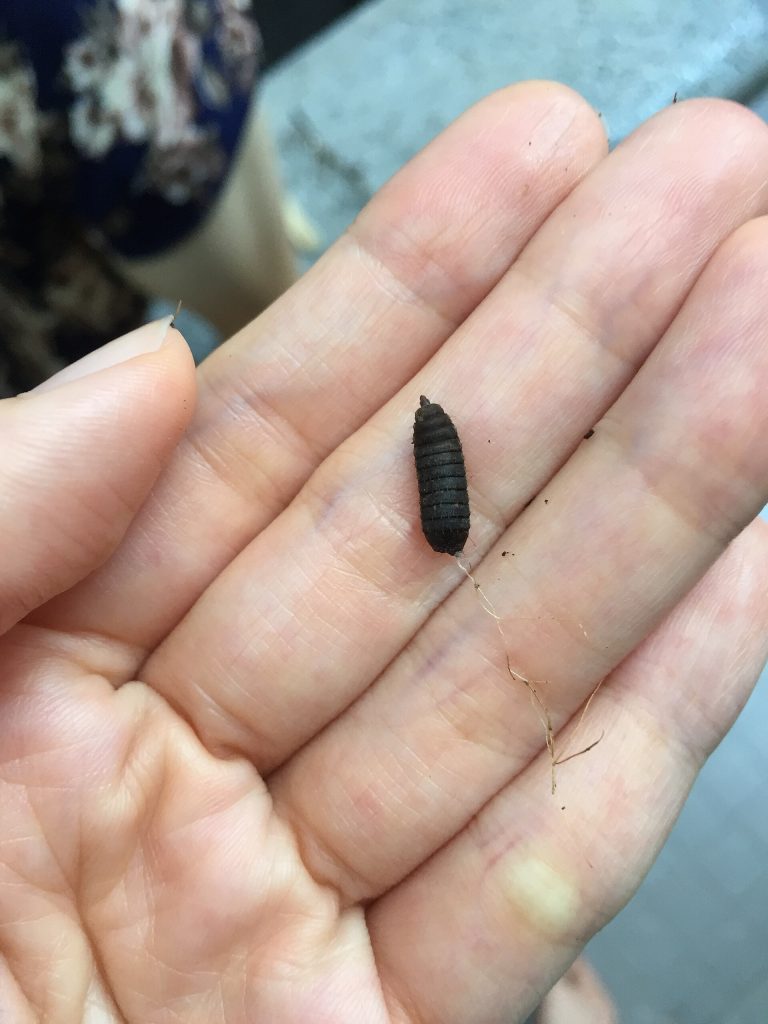
Full-grown larvae turn dark, stop eating and crawl out to find a dry place. This instinct lets them harvest themselves.
4. Pupa
Inside the hardened skin the larva changes into a fly. No feeding, no smell, no mess.
5. Adult fly
Adults have no working mouthparts. They do not eat, bite, sting or spread disease. They mate, lay eggs and the cycle restarts.
Waste in. Value out.
Typical results from well-run units. Actual yields depend on the type of waste, moisture and temperature.
How much could your waste produce?
Estimates use 20% larvae and 30% frass by fresh weight. Real results vary.
Six wins from one small fly.
Cheaper local feed
Feed is the biggest cost of raising chickens, fish and pigs, and much of it is imported. Larvae are a local protein that farmers can grow themselves.
Cleaner towns and markets
Food waste that blocks drains and attracts rats and house flies becomes a resource instead of a problem.
Healthier soils
Frass returns nutrients and organic matter to gardens, helping kaukau, greens and cash crops grow with less bought fertiliser.
Lower emissions
Waste eaten by larvae does not rot in dumps, so far less methane, a powerful greenhouse gas, is released.
Jobs for youth and women
Running a unit, selling feed and fertiliser and collecting waste creates income close to home.
Low cost, simple to start
Units can be built from local timber, tubs and mesh. No power is needed for small units, and PNG’s warmth does the rest.
What it looks like.
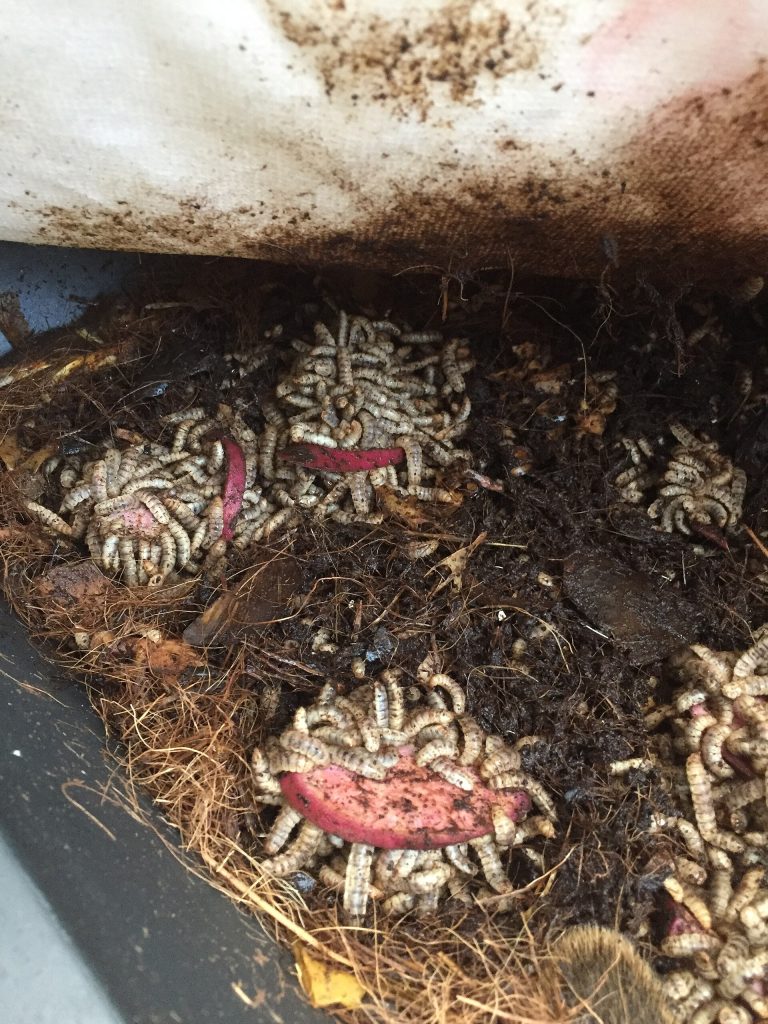
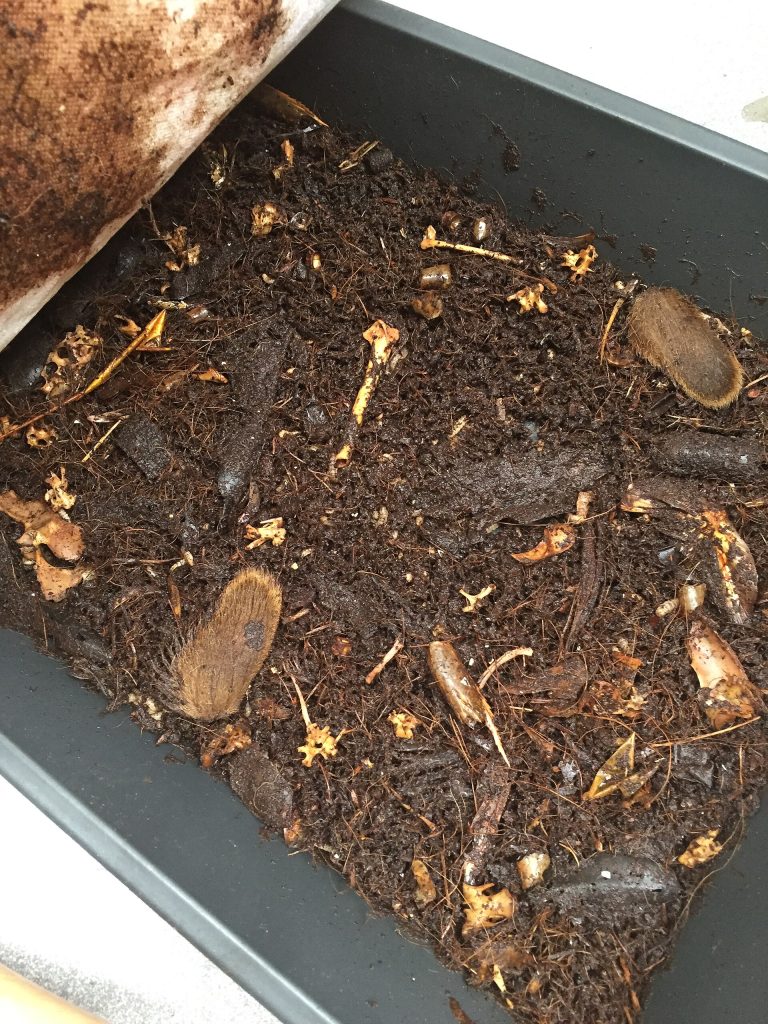
We set communities up to run it themselves.
We work with farmer groups, schools, youth and women's groups to build units, train operators and connect them to buyers for feed and fertiliser.
- 1BuildA simple unit from local materials, sized to the waste available.
- 2TrainHands-on training in feeding, harvesting, hygiene and record keeping.
- 3EarnFeed your own animals, sell larvae and frass, and grow the business.
Is it safe? Does it smell?
Straight answers to what people ask us most.
Are black soldier flies dangerous?
No. Adults have no working mouthparts, so they cannot bite, sting or feed on food. They are not known to spread disease, and their larvae even make waste less attractive to house flies.
Does a unit smell bad?
A well-run unit has only a mild, earthy smell. Larvae eat waste before it can rot. Bad smells usually mean the waste is too wet or too much was added at once.
What waste can larvae eat?
Fruit and vegetable scraps, kitchen leftovers, market waste, brewery grain, coffee pulp and similar organic waste. Keep out plastic, glass, metal, chemicals and large bones.
Is the larvae feed safe for animals?
Yes, when larvae are raised on clean, sorted food waste and handled hygienically. Chickens, fish and pigs eat insects naturally, and larvae are rich in protein, fat and calcium.
Can I start one in my village?
Yes. Tell us your province, your group and the waste you can collect, and we will advise on the right size of unit and training.
Bring black soldier fly farming to your community.
Support a unit, partner on a program or ask us about training.
Photo credits
- Photo: Vengolis, CC BY-SA 4.0, via Wikimedia Commons (Hermetia illucens 05259.jpg)
- Photo: Zenyrgarden, CC BY-SA 4.0, via Wikimedia Commons (Black soldier fly larvae eating yam.jpg)
- Photo: Zenyrgarden, CC BY-SA 4.0, via Wikimedia Commons (Wet black soldier fly frass.jpg)
- Photo: Zenyrgarden, CC BY-SA 4.0, via Wikimedia Commons (Charcoal black black soldier fly prepupae.jpg)
- Photo: ShaunRomero, CC BY-SA 4.0, via Wikimedia Commons (Hermetia illucens.jpg)
- Photo: Zenyrgarden, CC BY-SA 4.0, via Wikimedia Commons (Little black soldier fly larvae.jpg)
- Photo: Vladlen Terezhe, CC BY-SA 4.0, via Wikimedia Commons (Hermetia illucens1.jpg)
- Photo: Zenyrgarden, CC BY-SA 4.0, via Wikimedia Commons (Black soldier fly larvae eating voraciously (9 days old).jpg)